 Skip to content
Pop Up Canopy Tent Pros and Cons
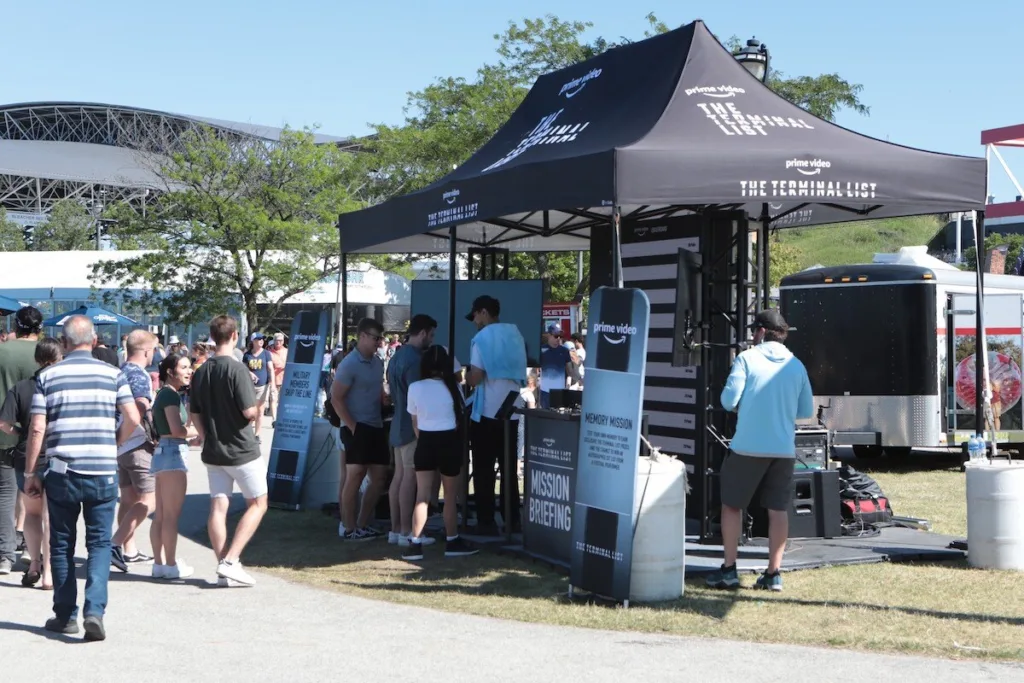
A Pop Up Canopy Tent is one of the most popular shelter solutions for outdoor events, markets, exhibitions, and backyard gatherings. Within the first few seconds of setup, a Pop Up Canopy Tent can provide instant shade, weather protection, and a professional appearance. However, like any event structure, pop-up canopy tents come with both advantages and limitations. Understanding the real pros and cons of a Pop Up Canopy Tent will help you decide whether it’s the right solution for your specific needs.
What Is a Pop Up Canopy Tent?
A Pop Up Canopy Tent is a portable shelter featuring a collapsible frame that expands and locks into place without complex tools. These tents are widely used for:
- Trade shows and exhibitions
- Farmers markets and street fairs
- Sporting events and festivals
- Backyard parties and temporary shade
Their popularity comes from convenience, but performance depends on quality and application.
Pros of Using a Pop Up Canopy Tent
1. Fast Setup and Easy Operation
One of the biggest advantages of a Pop Up Canopy Tent is speed. Most models can be set up in under 5 minutes, making them ideal for events with limited preparation time.
2. Portability and Lightweight Design
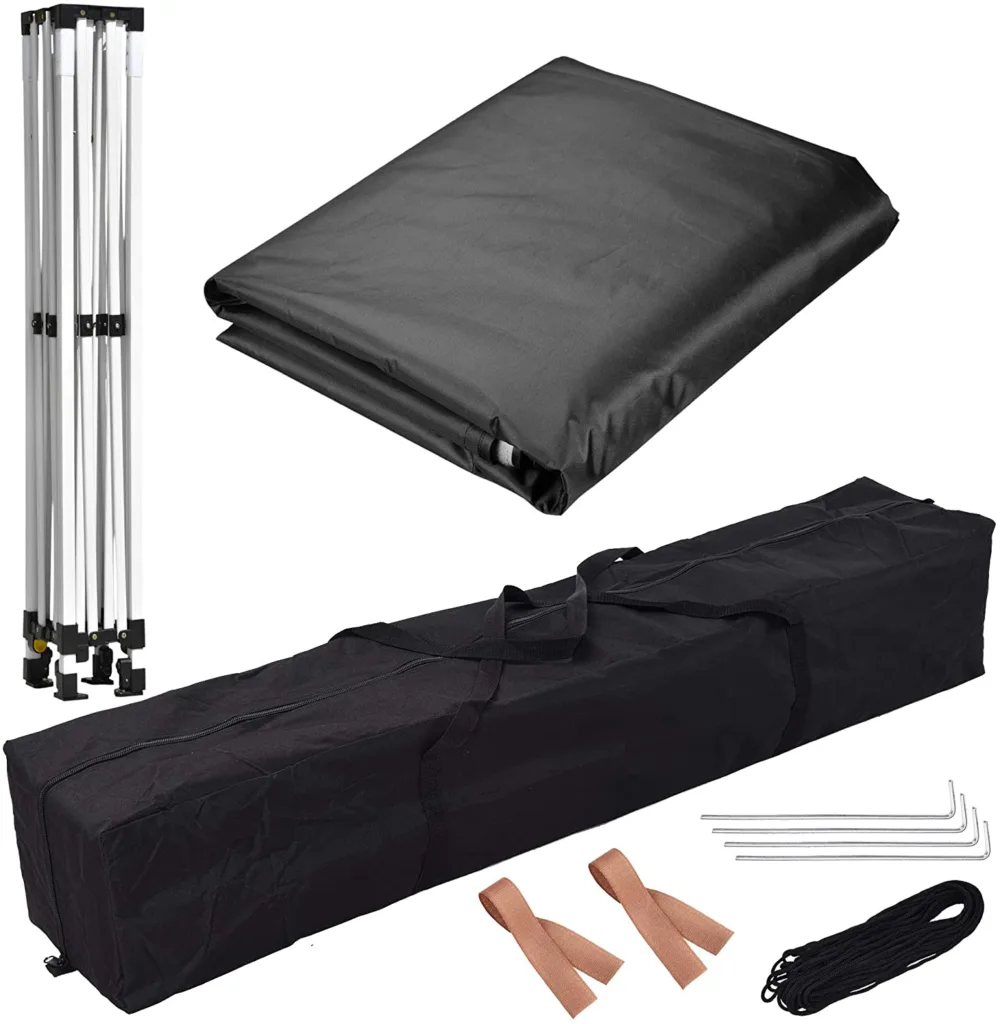
Pop-up canopy tents are easy to transport, often coming with wheeled carry bags. This makes them suitable for vendors and event organizers who travel frequently.
3. Versatile Applications
A single Pop Up Canopy Tent can be used for markets, promotions, exhibitions, or private events, offering excellent flexibility.
4. Cost Effective Solution
Compared to permanent or heavy-duty structures, pop up canopy tents are budget-friendly, especially for short-term or seasonal use
Cons of a Pop Up Canopy Tent
5. Limited Wind Resistance
Standard pop up canopy tents are not designed for extreme weather. Without proper anchoring, they may struggle in strong winds.
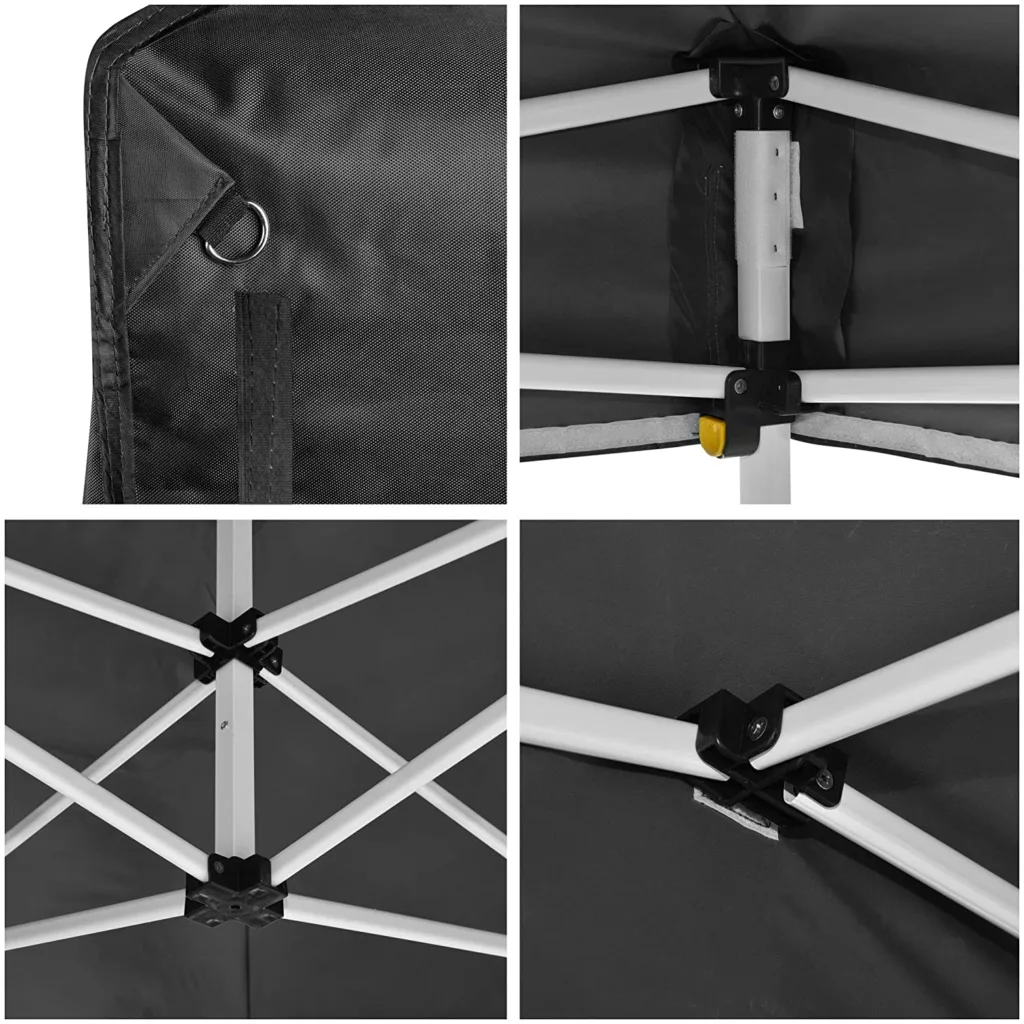
6. Durability Depends on Frame Quality
Low-cost pop up tents often use thin steel frames that can bend or break. Aluminum or reinforced steel frames perform better but cost more.
7. Less Suitable for Long Term Installation
A Pop Up Canopy Tent is designed for temporary use. For permanent installations, more robust structures are recommended.
When a Pop Up Canopy Tent Is the Right Choice
A Pop Up Canopy Tent works best when:
- Setup speed is critical
- Events last one to several days
- Portability matters more than heavy-duty strength
- Budget flexibility is limited
For markets, exhibitions, and promotional events, pop up canopy tents remain one of the most practical options.
What to Look For Before Buying a Pop Up Canopy Tent
To maximize performance, consider:
- Frame material (aluminum vs steel)
- Fabric density (300D–600D recommended)
- UV and waterproof ratings
- Anchoring options (stakes, sandbags, weights)
According to Consumer Reports, proper anchoring significantly improves outdoor canopy safety and stability.
FAQ:Pop Up Canopy Tent Pros and Cons
Q1: Are pop up canopy tents waterproof?
Most are water-resistant; higher-quality models offer full waterproof coatings.
Q2: Can a pop up canopy tent be used in windy areas?
Yes, but only with proper weights and anchoring. Heavy winds are not recommended.
Q3: How long does a pop up canopy tent last?
With good materials and care, a quality tent can last several years.
Q4: Is a pop up canopy tent suitable for trade shows?
Yes, especially for outdoor trade shows and temporary exhibition setups.
Conclusion: Balancing Convenience and Limitations
A Pop Up Canopy Tent offers unmatched convenience, portability, and versatility for outdoor events. While it may not replace heavy-duty or permanent structures, understanding its pros and cons helps users make smarter purchasing decisions. When chosen correctly and used in the right environment, a pop-up canopy tent remains one of the most effective event shelter solutions available.
